Showing posts with label Rodent Control. Show all posts

Tuesday, December 15, 2020

Pest Control - Rodent Helpful Hints


Pest Control - Rodent Helpful Hints

Pest Control Morisset

  • Some properties are invaded in autumn every year as rats and mice seek shelter in cooler weather.  Others may be invaded when nearby areas are developed.  If you are aware of a potential influx, contact your Pest Manager to introduce a programme before the event.
  • Pet food is a major attraction for rodents.  Ensure that all pet food is never left outside overnight and by storing in metal containers.
  • The house should be inspected for potential entry points, concentrating on gaps in the wall, such as weep holes, doors and windows and penetrations for plumbing and electrical services.
  • Trim all tree branches away from the house.  Remove ivy and trellises from walls.
  • Do not store timber or debris adjacent to the house.
  • Repair leaky taps and remove other water sources.
  • Rodents develop territories and have a social hierarchy.  Not all will have equal access to baits.  The most dominant and aggressive individuals tend to be the oldest and largest male members of the colony.  Treatment programmes must be designed to control the colony, rather than a few individuals.
  • An adult house mouse produces 50 to 100 droppings and up to 3,000 micro-droplets of urine per day, a rat about 40 to 50 droppings per day or 15,000 droppings and 15 litres of urine per year.
  • Rodents may die in inaccessible places such as wall cavities.  Odours from dead mice are seldom a problem but rats, because of their larger body weight may cause a problem.  Your Pest Manager may be able to find and remove the carcass or apply odour absorbing products.

Brought to you by Proven Pest Control. Serving New South Wales as a guaranteed, trustworthy business and will eliminate your pests of concern at an affordable cost.

Friday, November 15, 2019

Controlling RATS AND MICE in Homes


Brought to you by Proven Pest Control


Rodents are the most common mammals in the world, both in numbers and in species.  Australia has more than 60 species of native rodents.  These natives rarely invade homes but some do cause problems in agriculture.  

There are also three introduced rodents:
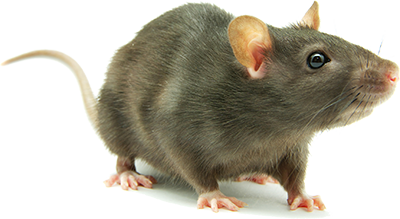
            Rattus norvegicus        the sewer or brown rat
Rattus rattus                the roof or black rat
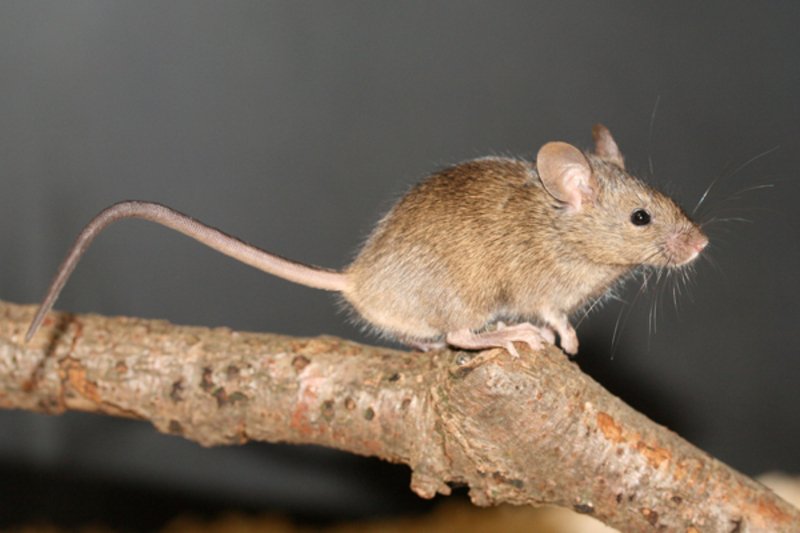
            Mus musculus              the house mouse.

It is the introduced rodents that cause problems in urban areas. 
These are known as commensal rodents – those that live with or near people and depend on humans for at least part of their food or shelter.  They are often attracted to houses for food and shelter as the weather cools in autumn/winter.

Pest Control WyongRodents prominent incisor teeth grow continuously.  ‘Rodent’ is derived from the Latin ‘rodere’ which means ‘to gnaw’.  Gnawing is a natural and necessary survival behaviour of the rat and mouse.  Rats and mice enjoy gnawing wires – a potential cause of fires in Wyong homes.

Rodents contaminate our environment with their urine and droppings and by spreading disease.  Rodents are known to be vectors of over fifty disease organisms including the causes of plague, leptospirosis, murine typhus and food poisoning.


COURTESY OF


Rodent species

SEWER RAT                        Rattus norvegicus                       
Originated in Central Asia.  Large, aggressive, adaptable and sly. 

ROOF RAT               Rattus rattus
A native of the forests of equatorial Southeast Asia.  It was the most common rat in urban areas in Europe during the outbreaks of plague.

HOUSE MOUSE      Mus musculus           
Believed to have originated in Central Asia.  Mice adapted to structures associated with the storage and transport of grain, with their provision of shelter, warmth and food. 


Sewer Rat
Roof Rat
House Mouse
Snout
Blunt
Pointed
Pointed
Ears
Small
Large
Large
Tail / body
Shorter 
Longer
Body-length
Droppings
18mm
Sausage-like
12mm Pointed
4mm
Pointed
Weight (g)
340 – 460
150 - 250
13 – 30
Intake /day (g)
15 – 30
10 - 20
2 – 4
Food preference
Garbage
Fruit, nuts
Grains
Offspring / year
20
20
40 – 60
Gestation (days)
22
23
18 – 21
Litter size
4 – 10
4 – 8
5 – 6
Lifespan (mths)
5 – 12
5 - 18
12 – 24
Home range (m)
8 – 30
8 – 30+
2 – 10

IT IS IMPORTANT TO CORRECTLY IDENTIFY THE SPECIES SO EFFECTIVE CONTROL PROGRAMMES CAN BE DESIGNED TO SUIT THE BEHAVIOUR PATTERNS OF THAT SPECIES.

ACCESS TO FOOD AND SHELTER, POOR HYGIENE, INCORRECT PLACEMENT OF TRAPS AND BAITS AND CHOICE OF INAPPROPRIATE ACTIVE AND FORMULATION OF BAITS WILL RESULT IN A SLOWER OR EVEN INEFFECTIVE CONTROL.


Brought to you by Proven Pest Control. Serving New South Wales as a guaranteed, trustworthy business and will eliminate your pests of concern at an affordable cost.

Thursday, July 11, 2019

Rodent Bait Stations as Monitoring Stations

Often, the preventive services we offer as pest control professionals are perceived as the sole solutions to our clients’ current pest issues. This should not always be the case; I look at the services we provide as, foremost, informational, then preventive and finally curative. One of the ways we have found to make this point to our clients is to focus on the monitoring aspects of our regular preventive service visits, which may or may not escalate into curative services.
One of the challenges we face with rodent bait station monitoring — and all of our services, for that matter — is educating the client so that they understand what is completed during regular service visits. If a client is not educated as to the specifics of what was accomplished during service visits, they might be less prone to cooperate in resolving conditions conducive to pest activity. They also might question your role as their Pest Controller, as doubt is cast about the duration or the value of your services. Client education is vital to any pest management effort.
A simple way to address this issue and make monitoring efforts more effective is to be thorough in reporting ALL pest findings and possible conditions conducive to pest activity to the client. This often can be tedious when reporting in high pest-pressured locations, but that makes it that much more valuable to the client-PMP relationship. If our clients know exactly what our findings are, they (1) will see the value we offer in addressing and resolving their pest concerns, (2) probably won’t question the time spent at the service location and (3) will more than likely join the offensive to correct any conditions that might lead to future pest concerns. Ultimately, thorough reporting leads to well-educated, happy clients.
Another issue that PMPs see, particularly when it comes to rodent bait stations, is the consumption of rodent baits by non-target species. When bait stations are opened, we all too frequently see non-targets in the process of consuming the bait. Other times when stations are opened, we find the remnants of what is left by the non-targets (e.g., roach feces, leftover piles of seeds from insect feeding, bird droppings or cockroach oothecae). One of the tricks that I use to combat non-target feeding is to place bait blocks in plastic jewelry bags or sandwich bags. This not only protects bait from melting in the summer heat or getting soaked in irrigation water but also drastically reduces non-target feeding and provides us with the ability to gauge the extent of any rodent activity at our bait stations. This is extremely helpful if clients have not seen a rodent in their facility or feel the need to cancel a rodent program due to lack of rodents.
Finally, monitoring bait stations presents us with the challenge of determining how much pest activity has taken place since our last service visit. A few helpful tips to make this seemingly impossible task possible follow:
  • Make sure bait stations are cleaned of debris, webs, feces, etc., on every service visit.
  • Replace rodent bait after any amount of feeding activity.
  • Move each device and check underneath for non-target pests.
  • Report all findings and conditions conducive to pest activity (big or small) to the customer.
These tips will help you maximize the effectiveness of your monitoring program and build a relationship of trust and proactive cooperation between PMP and client. It can be argued that defense wins ball games, but in the game of pest management, including rodent monitoring and, more importantly customer service, offense is always the winning strategy.

Learn more by visiting our Pest Control Website

Wednesday, May 1, 2019

Rodent Control

Proven Pest Control

RODENTS

Most rodents are small animals with robust bodies, short limbs, and long tails. They use their sharp incisors to gnaw food, excavate burrows, and defend themselves.
Rodents have been used as food, for clothing, as pets, and as laboratory animals in research. Some species, in particular, the brown rat, the black rat, and the house mouse, are serious pests, eating and spoiling food stored by humans, and spreading diseases, and this is why it is important to call the professional at Proven Pest Control. We eliminate these pests for you.

The 3 pest rodents you need to be able to identify are:

Image result for rattus rattusRattus RattusRoof rat, black rat, fruit rat, tree rat etc. This rat is so common it has so many names! With a head and body length of 165-205mm, a tail length of 185-245mm and body weight of 95-340g. The tail is longer than the body which makes it easy to identify. It has relatively large eyes and ears and their colour ranges from black to light brown.
This species may have up to 6 litters of 5-10 per young
.
They are frequently found in domestic dwellings where residents may be alerted to its presence by scratching noises in the roof. It may nest inside wall insulation or in boxes.

Rattus norvegicusNorway rat, brown rat, sewer rat, lab rat etc. These sturdy rodents have a combined head and body length of 180-255mm, tail length of 150-215mm, and weight of 200-400g. This rat is stocky, with scruffy brown fur, small eyes, short ears and a very short and fat tail.
This species may have up to 5-6 litters per young annum.
They are dominant in Europe and America but has not yet managed to colonise much of Australia. However, very large infestations have been found in poultry farms a long way from any ports.

Related image
Mus domesticusHouse mouse. There is some confusion as to the exact species we have in Australia. House mice have a combined head and body length of 60-95mm, tail length of 75-95mm and weight of 10-20g. They have a slim body a pointed nose with quite large ears, and a fur colour of brown to grey.
They are “opportunistic” breeders, reaching sexual maturity at around 8 weeks old. They may produce 6-10 litters per young with 5-6 young per litter. The gestational period is around 19 days.
There creatures may live either indoors and outdoors, usually coming inside to avoid severe cold weather. Because of their small size, they can enter through almost any aperture. Experts say “if you can stick a pencil through a hole, then a mouse can". 
That is why Proven Pest Control is here!

 Proven Pest Control
Brought to you by Proven Pest Control. Serving New South Wales as a guaranteed, trustworthy business and will eliminate your pests of concern at an affordable cost.

Saturday, May 16, 2015

Winter is Coming, Rodents invade Campbelltown


There’s no escaping that we are living in an environment that is becoming increasingly harsh within the Macarthur area. From the searing heat waves, to the sustained periods of droughts followed by severe flooding, it’s these extreme and quick shifts in our climate that are having a remarkable impact on the evolution of our indigenous and successful non-indigenous fauna. These evolutions are also making it easier for these pests to modify the main key to their survival: being able to adapt rapidly to the new fluctuations in the environment they live in.

  Get a pest problem? Contact us here: www.provenpest.net/Campbelltown

www.provenpest.net/Campbelltown
Rat
There is a saying that goes along the lines of, “Make hay while the sun shines.” This certainly rings true for our wildlife, and none more so that intrusive species like the Norway and roof rats. When conditions are right, they will increase their breeding cycle to make use of the new abundance of food. This also happens to be what is occurring now, and due to this factor we have seen an increase in the amount of rat activity in the Campbelltown area.

Rats, such as the Norway and the Roof, are very effective at exploiting small gaps into a property, and once they have established themselves they can cause a lot of damage in a rather short amount of time. Rats also pose a real health risk, and are even known to transmit diseases to humans such as salmonellosis and Weil’s disease.

We are often asked how to prevent rats from entering the home in the first place, and provided below are some helpfulhints to combat this issue.
  • Keep your home in good repair. Rats only need a gap a thickness of 15mm to gain entry into your home.
  • Remove potential nesting sites by keeping yards and gardens clean and tidy. Be sure to also cut back overgrown areas and remove any fallen fruit in your yard.
  • Seal gaps around waste water pipes and air-conditioning units.
  • Install pest exclusion mesh over building vents and weep holes.
  • Do not leave household waste where rats can gain access to it. Close the lids to the rubbish bin and composters, and do not feed wild birds as you may be feeding the rats as well.
  • Keeping chickens, pigeons, and other caged birds in your yard may attracted rats into your property.
  • Rats are very adept climbers and can exploit hanging tree limbs to gain access to your home via the roof. Be sure to trim any overhanging or touching tree limbs.
  • Avoid having items such as shade cloth attached to a fence. This will act as a highway for rats when traveling along the fence to climb up onto your roof.
  • Ensure that all down spouts connect directly into the storm drain and are not left open at ground level. An easy solution to this is to install a metal gutter ball to top of the down spout. This will act in helping to stop rats from climbing onto the roof through the pipe.
It comes back to the old saying of, “An ounce of prevention is better than a pound of cure!” But if you’ve tried all of these methods and are still having ongoing problems, you need to call on the professionals to help you out.www.provenpest.net/Campbelltown

Wednesday, September 10, 2014

Spring’s warm start and heavy rain provide perfect trigger for dangerous snakes and spiders to thrive


Conditions are perfect for an explosion in Funnel Web spider activity. Picture: Rex Gilro
Conditions are perfect for an explosion in Funnel Web spider activity. Picture: Rex Gilroy
BRACE yourself Sydney — some of the world’s most venomous creatures are about to go bananas in your backyard. 


Experts warned yesterday that spring’s warm beginning and recent heavy rain had combined to provide the perfect trigger for dangerous snakes and spiders to thrive.

FUNNEL WEBS FREEZE WHEN SPOTTED WARN EXPERTS
STAY CALM AROUND SNAKES SAYS AUTHOR IN NEW BOOK

Wild Life Sydney Zoo invertebrate keeper Julie Grizia said humans were doubly likely to come into contact with species like the deadly funnel web spider at this time of year because they were heading back outdoors to garden and play.

Like Our Facebook page by Clicking Here for more great news and tips


While they spend most of their time in underground burrows, male funnel webs roam garden in search of a mate or a new place to set up shop — dark, warm shoes left outdoors being a favourite haunt.
Male funnel web spider in threat display.

 
Australian Reptile Park general manager Tim Faulkner said the recent rain had a knock-on effect through the entire suburban ecosystem.

It started with abundant vegetation growth, which led to an increase in insect numbers and consequently on the animals that feed on them.

GALLERY: SNAKES AND THEIR SNACKS

That continued through the food chain to venomous spiders, snakes and other predators.

“I reckon if we get some more warm weather and then a few wet days the male funnel webs are going to go bananas,” Mr Faulkner said.

Not that it’s all bad news if they do.
The Australian Reptile Park’s stock of funnel web spiders is low, affecting the amount of
The Australian Reptile Park’s stock of funnel web spiders is low, affecting the amount of antivenom that can be harvested.
 
Mr Faulkner said the Reptile Park’s funnel web collection, used for milking to produce antivenom, had dwindled to fewer than 100 specimens.

As Australia’s sole supplier of funnel web venom, the site needs more than 300 spiders, most caught and donated by members of the public, to keep up with demand.

“We only get an incredibly small amount of venom from any one spider, so it takes a large number of milkings to get just one vial of antivenom,” Mr Faulkner said.

“Our funnel web room is only one-third full so we can’t fill the quota and that for us is a dangerous point.”
An eastern brown snake.

 
No one has died from a funnel web’s bite since an antivenom was introduced in 1980.
Snakes, too, are expected to emerge due to the warmer weather, with eastern browns, red-bellied blacks and diamond pythons among the species likely to be seen around Sydney.


NSW National Parks and Wildlife said people could discourage snakes from “lingering” by removing pet food that attracted mice, removing items that could provide them shelter and filling gaps in doors and walls to prevent entry into a house.

“If snakes do come into contact with children, adults or pets, give the snake plenty of room to escape,” it said.
A red-bellied black snake.
Ranger Ray Harrison with a diamond python named Jub Jub at the Australia Walkabout Wildli
Ranger Ray Harrison with a diamond python named Jub Jub at the Australia Walkabout Wildlife Park.